Understanding the Causes of Dog Panting and What to Do
Dog panting is a common behaviour in dogs, and for the most part, it’s completely normal. But sometimes, panting can be a sign that something isn’t quite right. Knowing when panting is normal and when it might be cause for concern can help you keep your canine companion healthy and comfortable.
What is Panting?
Panting is a form of rapid, shallow breathing that dogs use to regulate their body temperature. Unlike humans, dogs don’t sweat through their skin. Instead, they rely on panting to help cool themselves down. You’ll usually see a dog panting after exercise, during warm weather, or when they’re excited or anxious.
What Does Panting Look Like?
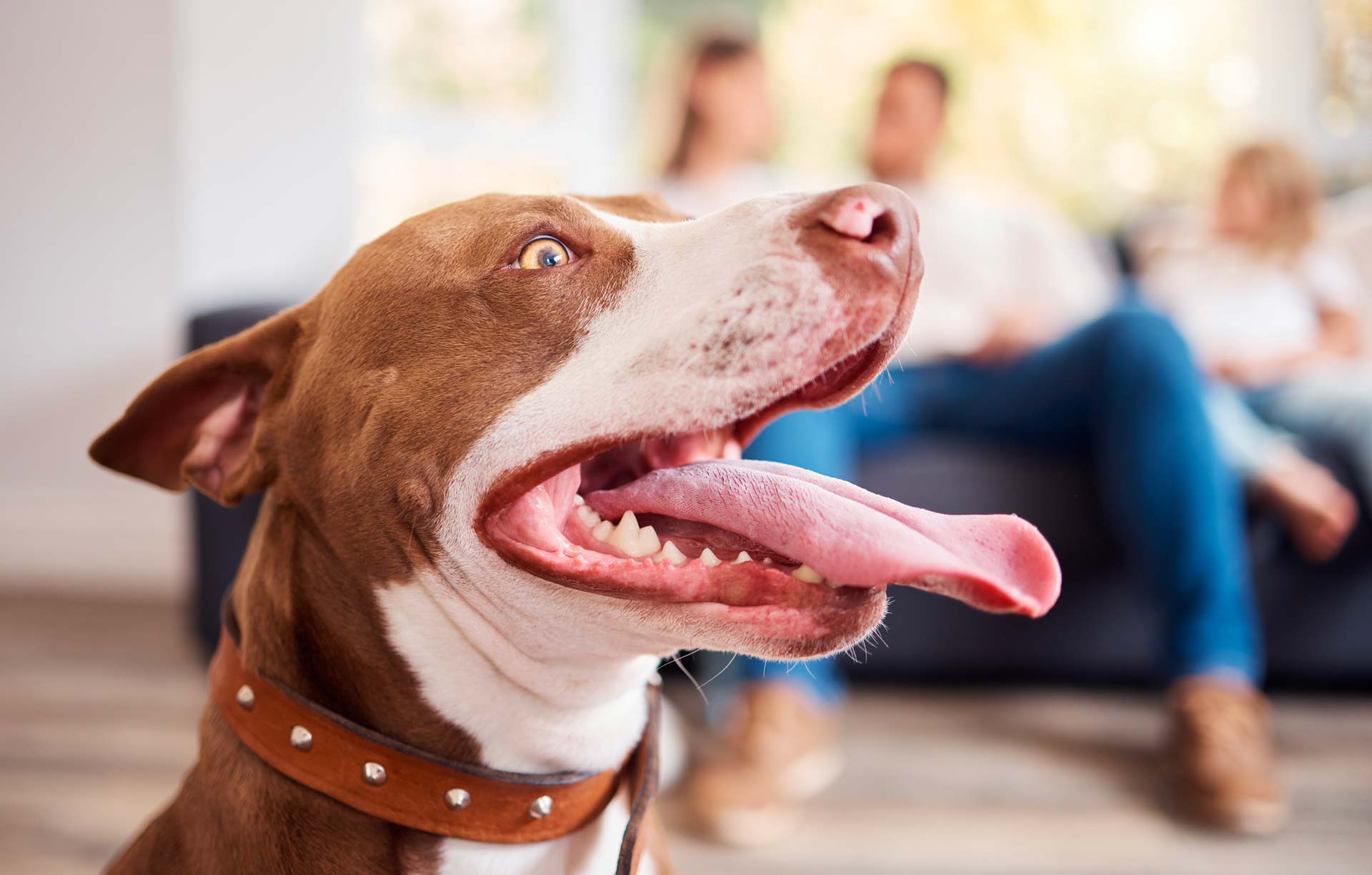
A panting dog typically has its mouth open, tongue hanging out, and may be breathing rapidly. Their chest and flanks will move more noticeably as they take quick, shallow breaths. Some dogs might drool more than usual or pace around while panting. Mild, short-term panting is generally nothing to worry about, but if your dog’s panting seems excessive or unusual, it could indicate an underlying issue.
Here’s a video of a dog panting:
Common Causes of Panting
- Normal Thermoregulation: A fancy way of saying ‘cooling down’. The most common reason dogs pant. This is perfectly natural, especially after exercise or on hot days.
- Heatstroke: If your dog is exposed to high temperatures and becomes overheated, panting can become frantic and ineffective. Heatstroke is a serious and potentially life-threatening condition requiring immediate veterinary attention. Additional signs of heat stroke may include bright red or pale gums, restlessness progressing to lethargy, vomiting/diarrhoea and seizures.
- Pain or Discomfort: Dogs often pant when they’re in pain. If your dog is panting more than usual and there’s no clear reason (like heat or exercise), it might be a sign they’re hurting.
- Stress or Anxiety: Panting can also be triggered by emotional stress. Trips to the vet, loud noises, separation anxiety, or unfamiliar environments can all cause anxious panting.
- Medical Conditions: Several health issues can cause excessive panting.
- Heart disease
- Respiratory disorders
- Cushing’s disease (an endocrine disorder)
- Obesity
- Medications: Certain medications, such as steroids, can increase a dog’s tendency to pant.
When to See the Vet
You should contact your vet if your dog:
- Is panting heavily at rest and for no apparent reason, such as post-exercise or anxiety/stress/fear
- Shows signs of distress (e.g. restlessness, whining, lethargy)
- Has pale or bluish gums
- Is panting in combination with coughing, vomiting, or collapse
- Has a change in behaviour or appetite along with panting.
Managing and Treating Panting
Treatment depends on the cause. If your dog is simply hot, help them cool down with fresh cool water, shade, and rest. Never leave your dog in a hot car, even for a short time.
Here’s an explainer video on how to cool your hot dog (not to be confused with hotdog!).
If a medical condition is to blame, your vet may recommend blood testing or imaging (X-ray, ultrasound, CT etc.) to identify the issue. Treatment may include medications, surgical intervention, lifestyle changes and managing chronic conditions to reduce panting and improve your pet’s quality of life.
Panting is a normal part of canine life, but being alert to changes in your dog’s breathing can help catch potential problems early. If you’re ever unsure, it’s always best to get your dog checked by a vet.
Our empathetic team are always here to help. Give us a call, or organise an appointment for your perfect pooch.