High blood pressure in cats, also known as feline hypertension, is a persistent elevation of blood pressure within the arteries. It is one of the most common conditions in cats over 9 years of age, and it can cause severe, sometimes irreversible damage to the eyes, brain, heart, and kidneys before you ever notice a single sign. The good news: it is detectable with a simple test, and in most cases, very manageable once diagnosed.
What is feline hypertension?
Feline hypertension occurs when the pressure of blood flowing through your cat’s arteries stays consistently too high. Over time, that pressure damages the small, delicate blood vessels that supply the eyes, brain, kidneys, and heart.
It’s often called a “silent killer,” and that description is accurate. Many cats with high blood pressure look perfectly well from the outside. They eat, groom, and behave normally, often for months or even years, while damage quietly builds inside.
By the time most owners notice something is wrong, organ damage has usually already begun. That is exactly why routine screening matters so much, especially as your cat gets older.
Which cats are most at risk?
High blood pressure in cats becomes increasingly common with age. Around 1 in 5 cats over 9 years of age has hypertension. By the time a cat reaches 11, that figure rises to 1 in 3.
Those are significant numbers. That’s why blood pressure monitoring is an essential part of senior cat care, not just an optional extra.
Certain underlying conditions also raise the risk considerably. Cats with chronic kidney disease (CKD) are among the most commonly affected — research suggests that up to 74% of cats with hypertension also have CKD. Hyperthyroidism (an overactive thyroid gland) is another major risk factor. Less commonly, conditions affecting the adrenal glands or hormonal system can contribute too.
If your cat has been diagnosed with any of these conditions, regular blood pressure checks are a priority.
Signs of High Blood Pressure in Cats
Here’s the honest truth: most cats with high blood pressure show very few signs, or none at all, in the early stages.
When signs do appear, they tend to be vague and easy to put down to normal ageing or dementia in older cats. They can include:
- Increased vocalisation, particularly at night
- Behavioural changes
- Confusion or disorientation
- Reduced appetite
- Weight loss
In many cases, the first recognisable sign is a sudden, serious complication.
Eye Complications
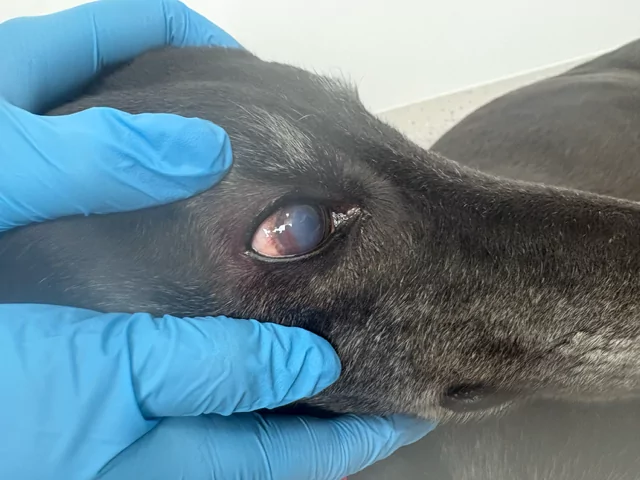
The eyes are particularly vulnerable to damage from high blood pressure. The tiny blood vessels inside the eye can rupture or leak without any warning.
This can cause:
- Sudden blindness
- Dilated pupils that don’t respond to light
- Bleeding visible inside the eye
Some cats go from apparently normal vision to complete blindness in a matter of hours. It is one of the most distressing things we see in our clinic. If your cat’s pupils look dilated or they seem suddenly confused or disoriented, come in straightaway.
The encouraging news: if treatment starts quickly, some cats do regain partial or even full vision. Speed matters.
Neurological Signs
When high blood pressure affects the brain and nervous system, the signs can look similar to a stroke. These include:
- Weakness or wobbliness when walking
- Unsteadiness
- Seizures
- Sudden collapse
- Dementia-like confusion or disorientation
These signs are alarming, and they should be treated as an emergency. If your cat shows any of these suddenly, give us a call immediately.
Heart and Kidney Effects
Over time, sustained high blood pressure places extra strain on the heart. It can also worsen pre-existing kidney disease, which creates a difficult cycle: kidney disease raises blood pressure, and high blood pressure further damages the kidneys.
This is one of the core reasons why managing hypertension in cats with CKD is so important. Treating the blood pressure doesn’t just reduce a number. It protects kidney function and can meaningfully slow disease progression.
How we check your cat’s blood pressure
The process is simple, and most cats tolerate it well.
We place a small, soft cuff around your cat’s leg or tail, much the same way a blood pressure cuff works in people, and take a series of readings. No needles. No sedation in most cases. No discomfort. The whole thing takes just a few minutes.
Because stress can temporarily raise blood pressure and give a falsely elevated reading, we take extra steps to make the experience as calm as possible:
- We use a dedicated cat consulting room, away from dogs and the noise of a busy waiting area
- We give your cat time to settle before we begin
- We offer treats and use quiet, gentle handling throughout
- For cats that find vet visits particularly stressful, we can prescribe a calming medication like gabapentin beforehand

In most cases, we will take readings across two separate visits before confirming a diagnosis. This rules out “white coat hypertension,” where anxiety temporarily pushes the numbers up.
Blood pressure ranges
| Systolic reading | What it means |
|---|---|
| Below 140 mmHg | Normal |
| 160 mmHg and above | Elevated |
| 180 mmHg and above | High risk of organ damage |
Treatment for Cat Hypertension
Most cats diagnosed with high blood pressure do very well on daily medication.
The two most commonly prescribed medications are amlodipine (available as Amodip) and telmisartan (available as Semintra). Both are well tolerated, easy to give, and effective at bringing blood pressure down to a safe level.
Once treatment begins, many cats improve noticeably. For cats that have already lost vision, treatment can sometimes allow partial or even complete sight to return. It doesn’t happen in every case, but we have seen it happen, and it is one of the most rewarding things to witness. These cats are so much more comfortable once their blood pressure is under control.
We’ll monitor your cat’s blood pressure at follow-up appointments to make sure the medication is working and adjust the dose if needed.
Medications:
| Medication | Brand name | Notes |
|---|---|---|
| Amlodipine | Amodip | Well tolerated, easy to give |
| Telmisartan | Semintra | Well tolerated, easy to give |
Why early detection makes all the difference
Feline hypertension is a very treatable condition. The problem is that it almost never announces itself early. By the time most cats show signs, damage has already been done.
Routine blood pressure screening changes that. It gives us the chance to find hypertension before it causes damage, rather than responding to an emergency.
At Lynbrook Vet, we recommend regular blood pressure checks for:
- All cats over 7 years of age
- Cats diagnosed with chronic kidney disease or hyperthyroidism
- Any cat showing signs that could indicate hypertension-related complications
Catching it early means starting treatment before the eyes, brain, or kidneys are affected. A cat that starts treatment before complications develop has a much better chance of a long, comfortable life.
Screening recommendations:
| Cat | Recommended blood pressure check |
|---|---|
| All cats over 7 years | At least once a year |
| Cats with CKD or hyperthyroidism | Every 3–6 months |
| Any cat showing possible signs | As soon as possible |
Book a blood pressure check at Lynbrook Vet


If your cat is 7 or older, or has been diagnosed with kidney disease or hyperthyroidism, a blood pressure check is one of the most valuable things you can do for their health right now.
It is quick, calm, and could catch something serious well before it becomes an emergency.
Book online at lynbrookvet.com.au or give us a call to arrange a senior cat health check. We are here for your cat at every stage of life.
Frequently Asked Questions
What is considered high blood pressure in cats?
In cats, blood pressure above 160 mmHg (systolic) is considered elevated, and readings above 180 mmHg carry a high risk of organ damage. Because anxiety can temporarily raise blood pressure, diagnosis is usually confirmed across two separate visits using multiple measurements. Normal blood pressure in cats is typically below 140 mmHg.
How often should senior cats have their blood pressure checked?
Cats over 7 should have their blood pressure checked at least once a year as part of their routine senior health care. Cats diagnosed with chronic kidney disease or hyperthyroidism should be screened more frequently, often every three to six months. Your vet will advise on the right schedule for your cat specifically.
Can a cat recover vision lost to high blood pressure?
Yes, in some cases. When treatment begins quickly after sudden vision loss caused by feline hypertension, some cats do regain partial or complete sight. Recovery is not guaranteed and depends on how quickly medication is started and the extent of the damage. This is why acting quickly when vision loss occurs is so important.
Does my cat need to fast before a blood pressure check?
No. A cat blood pressure check does not require fasting. We do recommend avoiding a stressful journey immediately before the appointment, where possible. If your cat tends to be anxious, let us know when you book so we can plan ahead, including prescribing calming medication if appropriate.
Is high blood pressure in cats painful?
Hypertension itself is not thought to cause direct pain. However, the complications it causes can be very distressing for your cat. Sudden vision loss, unsteadiness, or seizures are frightening experiences. Treating hypertension early prevents these complications and keeps your cat comfortable and well.