
Selecting a dog breed is something that should be thought through, so you’re in the right place. Researching and understanding individual dog breeds can help you determine how they will fit into your family and lifestyle, streamlining the acclimation of your new pooch into your home and ensuring everyone knows what to expect.
What breed is best for me, and are there breeds with certain health conditions to be aware of?
Here are the top considerations when selecting a breed of dog, according to our vets:
1. Personality and activity levels:
Active herding breeds such as the border collie require lots of exercise and mental stimulation. In comparison, a ‘couch potato’ such as the greyhound loves to lounge around at home despite being known for their sprinting talents. Different dogs will also require different levels of obedience training depending on their level of independence and mental stimulation requirements.
2. Grooming:
Depending on your dog’s coat type, your dog will require specific grooming requirements. Some dogs shed all year round and require regular deshedding and brushing (e.g. Border Collie), whilst other dogs have hybrid coats or non-shedding coats such as the Poodle or Cavoodle. Non-shedding breeds still require grooming every 6–8 weeks to prevent their coat from growing too long.
3. Lifestyle and financial situation:
Owning a dog is a big responsibility and can bring with it lifestyle and financial changes.
If your lifestyle is more active and social, a Golden Retriever may suit you well, as they are known for their social and friendly nature. Whereas if you are someone with a quieter lifestyle, breeds such as the Chihuahua and Dachshund prefer forming closer bonds and interacting with fewer people.
Financially, expenses to take into consideration when bringing a new fur baby into your world include preventative health (i.e. vaccines, health checks, desexing and parasite care), food, toys, grooming, pet insurance and also unexpected veterinary bills should your pet become unwell.
4. Breed-related health concerns:
There are some breeds known to have breed-related issues that may affect their well-being and health. Being aware can help manage these conditions and help your fur baby live the healthiest and happiest life possible.
Known breed-related concerns
1. Brachycephalic breeds (short-faced or squish face breeds):
Brachycephalic breeds include dogs such as Bulldogs, French Bulldogs, Pugs, Boxers and Boston Terriers. These breeds were bred for their cute features, but over time, these short-faced dogs have developed challenges and breathing difficulties as a consequence. They can be more prone to heat stroke, respiratory distress, pneumonia and gastric reflux. Surgery can be performed on these breeds when they are young to help open up their airways and improve breathing, preventing further distress in the future.

2. Joint disease:
Large and Giant breed dogs, such as Golden Retrievers, Labrador Retrievers and German Shepherds, have been linked to joint-related diseases like elbow dysplasia and hip dysplasia. These are conditions that result in the elbow and hip joints not forming correctly during the growth phases of puppyhood, which can predispose these breeds to early-onset osteoarthritis. There are many causes of these conditions, including diet, breed, and genetic factors. Most breeders will screen for these diseases in their breeding lines to ensure your puppy has a low likelihood of developing them.
If your puppy is diagnosed with these conditions, there are options available for management such as pain relief, arthritis injections and even surgical interventions if required.
Small breeds, such as Toy Poodles, are also known for a condition called luxating patella, where the kneecap pops in and out of place. There are different levels of severity of this condition, and in most cases, it may cause your fur baby to skip when they walk, but it does not cause pain. In some cases, where there is pain and discomfort, surgery may be required.

3. Bloat:
Bloat is a condition that is common in deep-chested or barrel-chested breeds such as:
- Great Danes,
- Boxers,
- German Shepherds
- Basset hounds.
It occurs when the stomach overfills or bloats with excessive gas, causing the stomach to rotate, which can lead to life-threatening illness. Most cases of bloat can be prevented by ensuring your pet does not exercise after eating and does not eat too quickly. However, there is a preventative surgical procedure called a gastropexy that is often performed at the time of desexing. This involves tacking or securing the stomach to the abdominal wall to prevent the stomach from twisting in the future. This surgery is considered a life-saving preventative measure.
You can read more about this treatment here.
4. Dental disease:
Dental disease affects all pets, with 70-80% of dogs developing dental disease by the age of 3 years old.

Dental disease involves the buildup of bacteria on the teeth, which eventually hardens or calcifies to form tartar or calculus. This can cause irritation to the gum and damage to the underlying root structure of the tooth leading to pain, discomfort and risks to your pet’s overall health.
Bacteria buildup on the teeth can eventually spread to other areas of the body, such as the heart, kidney and liver, which can cause damage to these vital organs.
Most small breed dogs can be more prone to dental disease for a number of reasons, such as crowding of teeth, retained baby teeth, being less likely to be good chewers, etc.
Another breed which is known for predisposition to dental disease is Greyhounds and other sight hounds; in some cases, these dogs require dental cleaning every 3-6 months.
5. Skin disease:
Skin allergies can affect any dog breed, but there are some breeds that are more prone to it than others, such as:
- English Staffordshire Terriers
- English Bulldogs
- Basset Hounds
Bulldog breeds often have very wrinkled areas of skin, which can be prone to excessive moisture and inflammation.

This can predispose them to infections, creating a perfect environment for yeast and bacteria that naturally live on the skin to multiply and replicate. One area this can affect commonly in Bulldogs is their tail, which can be removed via a procedure called a caudectomy to prevent chronic infections and discomfort.

6. Spinal-related disease:
French Bulldogs and Dachshunds are known for a condition known as intervertebral disc disease. This is a degenerative disorder that causes the cartilage discs within the spine to harden and potentially rupture into the spinal cord, which can lead to paralysis or the inability to use their legs. This is because the nerve connection within the spinal cord has been disrupted and often requires surgery to remove the disc material to allow the nerves to function properly again. Some dogs with only minor disc disease may have mild signs such as a sore back, which can be managed with rest and appropriate pain relief.
7. Heart disease:
8. Bleeding disorders:
Dobermans are particularly prone to Von Willebrand Disease (vWD), a hereditary platelet disorder that affects their blood’s ability to clot properly. Dogs may experience excessive bleeding from minor injuries, nosebleeds, or prolonged bleeding after surgery. While there is no cure, genetic testing can identify carriers, and affected dogs can be managed with precautions during surgeries and avoidance of certain medications.
9. MDR1 gene:
(Multi-Drug Resistance 1) is a genetic mutation common in Border Collies and other working dog breeds that affects their ability to process certain medications, making them more susceptible to severe or even fatal drug reactions.
10. Eye-related disease:
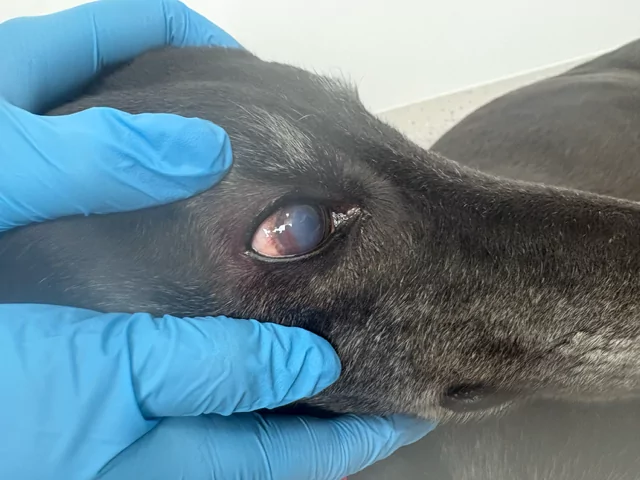
Certain dog breeds are prone to eye-related diseases, such as Progressive Retinal Atrophy (PRA) in Labrador Retrievers, Cataracts in Poodles, and Glaucoma in Cocker Spaniels, which can lead to vision loss if not managed promptly.
What preventative health screening tests are available for my puppy?
Preventative health screening for puppies focuses on ensuring their proper development, detecting congenital or early-onset health issues, and setting a strong foundation for their lifelong health. Certain breeds may be screened for genetic conditions, such as hip dysplasia, heart defects, or inherited eye diseases, especially if the puppy is from a high-risk breed.

Breeds which are more prone to joint related diseases such as elbow dysplasia and hip dysplasia will often be screened by a breeder via a method called hip and elbow scoring which involves taking specific radiographic or x-ray views of the elbows and hips and getting these evaluated to determine the likelihood the condition will be passed on or developed in their breeding lines. Your puppy can also be screened for these conditions via radiographs or x-rays if they start to develop clinical signs throughout their development, such as limping or pain in their joints.
There is limited genetic testing available to screen for heart disease in certain breeds, but the most effective method of screening is to check for an audible cardiac abnormality at the time of your puppy’s health check via auscultation with a stethoscope. This can detect abnormalities such as heart murmurs and irregular heartbeats. If this is detected at your puppy’s health check, your vet may recommend further investigation, which may involve blood tests to check to see if your puppy’s heart is under stress or an ultrasound of the heart to check for defects.
Some puppies can have what we call innocent or physiological heart murmurs, which are low-grade heart murmurs associated with age that often resolve on their own after 4-6 months. However, if your puppy’s murmur is still present > then 6 months of age, further investigation is often recommended.
Most specialist ophthalmologists (eye specialists) will provide breeders with eye certifications and DNA testing under the Australian Canine Eye Scheme (ACES) which tests for both inherited and non-inherited eye conditions in dogs.

If you would like to screen your puppy for certain genetic diseases, you can look at Orivet, an independent genetic DNA testing service for dog owners. You can purchase online DNA testing kits to collect the samples yourself via a quick cheek swab of your puppy’s mouth. In some cases, a blood test may be required, so make sure to check which collection method is required for your specific test kits that are ordered.
If you’d like help assessing the needs of your puppy or adult dog, we’re happy to help. You’re welcome to organise an appointment or call our friendly team.