
Our pets can be excellent communicators at times. One single look can tell us they’re hungry, that they want a cuddle or that they are up to no good!
However, what our pets can’t always easily convey to us is when they are in pain.
They cannot easily tell us when and where they hurt, and some pets are even skilled at hiding signs of pain or discomfort. Dogs and cats actually do this quite regularly, and smaller animals like rabbits, birds, and guinea pigs are even more likely to do it. It is a natural behaviour for prey species.
Chronic pain is generally even harder to detect in our pets than sudden onset pain, and it can be easily overlooked as we begin to consider the signs and symptoms of ‘normal’.
To detect pain in pets, our team use the following signs, and you can too!
1. Behavioural changes
If your pet appears to have a sudden personality change, this could be an indication that they are in pain or unwell.
Signs to watch for include:
- Growling, hissing, biting or scratching in a usually calm pet
- Abnormal or excessive vocalisation like whining, whimpering, yelping or howling
- Hiding away from people or other pets in the house
- Avoiding being held or touched when they normally enjoy this
- Appearing needy or clingy
- Being unusually quiet
2. Changes in facial expression
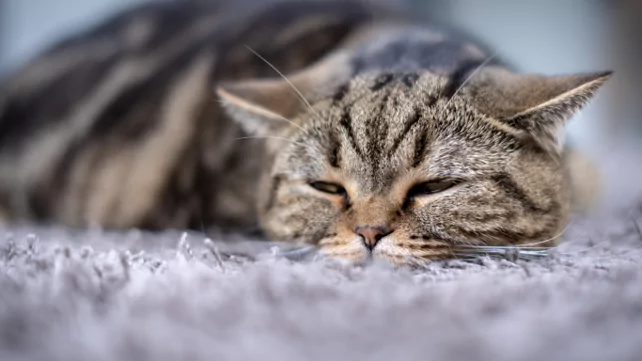
Pets, like us, use their faces to show feelings and emotions. Small changes in facial expressions, like a grimace or a tight, closed-mouth smile, may indicate pain in a pet.
Signs to watch for include:
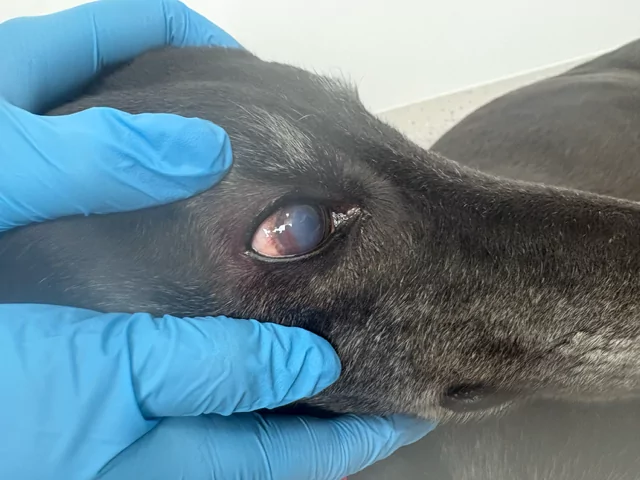
- Sleepy or glazed-looking eyes
- Large pupils
- Ears flattened back
- Excessive panting
- Staring into space or appearing vague

Dogs tend to show more on their faces than cats do. Cats have mastered the ability to hide pain well. There is a scale called the feline grimace scale, which has been created to help owners recognise pain in their cat based on their facial expression.
There is a similar grimace scale based on rabbits’ facial expressions.
3. Changes in activity levels
Changes in your pet’s usual activities can indicate they are in pain or unwell. A sudden reluctance to get up after lying down, altered sleeping schedules or wanting to stop playing quickly can indicate pain.
Signs to keep an eye out for include:
- Limping
- Trembling
- Taking longer to lie down or rise from lying down
- Reluctance to run, play, walk
- Being restless and unsettled
- Not wanting to move
- Sitting or walking hunched or tucked up
- Not wanting to lift their head
4. Changes in daily routine
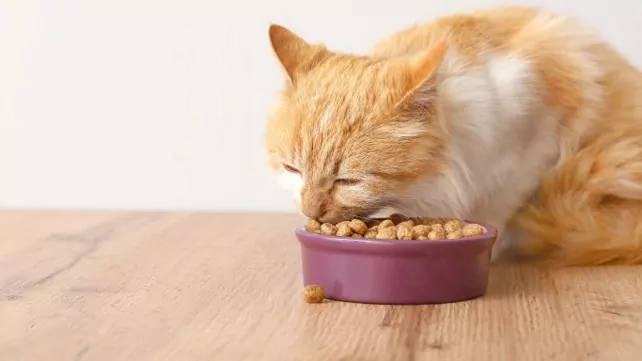
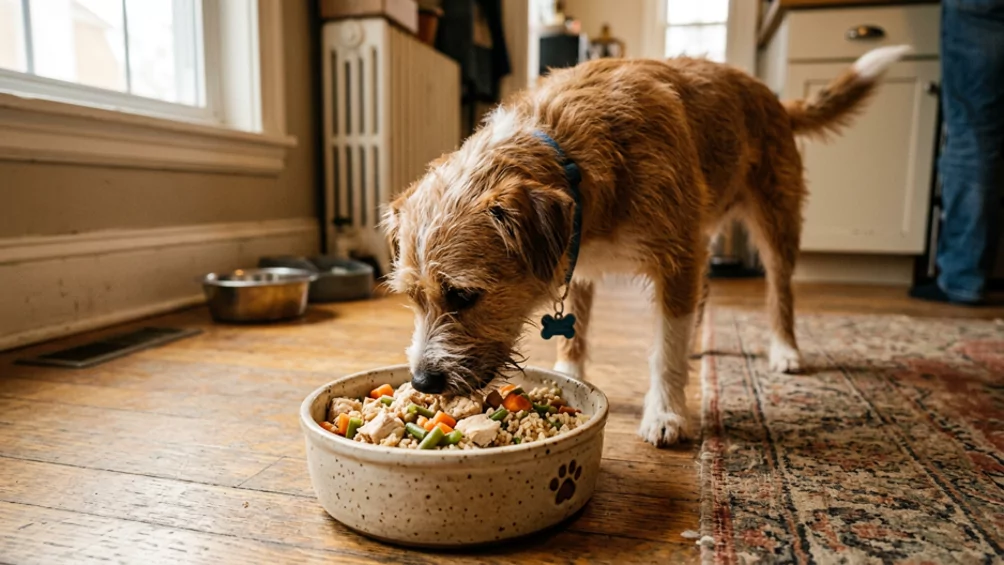
Changes in your pet’s daily routines, like the amount they drink or eat and their toileting habits, can sometimes indicate that your pet is in pain. Any decrease in appetite or thirst should always be investigated with your vet.
This is important for cats and dogs but extremely critical for rabbits, who should eat nearly continuously and can deteriorate rapidly when not eating. Not passing urine or faeces (or passing significantly less) in all species is also something that requires urgent vet attention.
Other signs to watch for include:
- Not wanting to eat their usual diet or preferring to eat only soft food
- Not taking treats
- Dropping food from the mouth or drooling
- Moving food around in the mouth with tongue or to one side of the mouth (this is common with dental disease)
- Grinding teeth (common sign of pain in rabbits)
- Toileting outside of the litter box in cats
- Incontinence in dogs
- Straining to go to the toilet
5. Grooming Changes
A healthy pet that is pain-free should usually have a shiny hair coat and clear skin. Changes in the hair coat or skin of your pet can sometimes indicate they are in pain. For example, a dog or cat with pain from arthritis may lick or chew over the affected joints, causing changes to the overlying skin.
Signs to monitor for that may indicate pain include:
- Excessive licking, biting or scratching at their skin
- Signs of self-trauma like wounds or scabs
- Failure to perform normal self-grooming behaviour in cats or not being able to reach areas of their body that they could in the past. This can lead to matted fur or balding patches.
It is important that your pet is assessed by your veterinary team as soon as possible if you recognise any signs of pain. A professional physical exam to identify the area of pain is the first step towards managing your pet’s pain well.
Human pain relief medications should NEVER be given to your pet unless under the direction of your veterinarian, as certain drugs are highly toxic to our pets, and others have to be used at significantly different doses to people to be effective and safe.
Together, you and your vet can then determine a plan to manage your pet’s ongoing pain. Often, it is much more effective to control pain at the early onset rather than once it is well established, so seek vet care early and fast to eliminate your pet’s pain quickly.