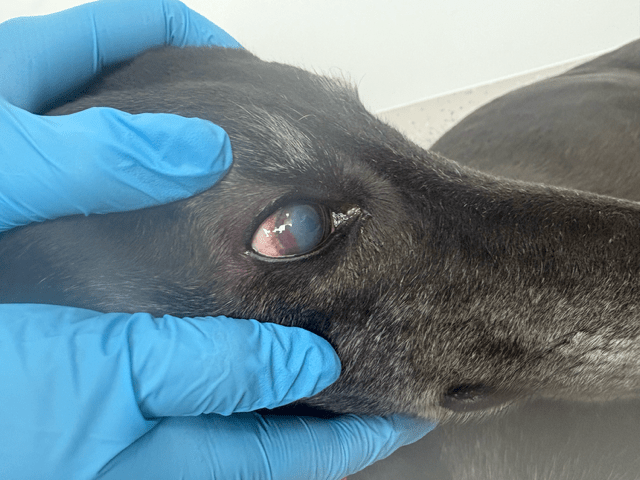
When your pet visits the vet for a yearly vaccination or wellness check-up they are given a thorough physical exam by the vet. However, this external check is like only seeing the tip of an iceberg. It doesn’t give us a complete picture of an animal’s health. Blood tests and other diagnostics can provide so much more information.
Did you know that research shows that blood testing, when performed in seemingly healthy pets, has uncovered clinically relevant issues in up to 40% of dogs and 60% of cats?
Abnormalities become even more likely as pets age, but even in young adults, 14% of dogs and 20% of cats had unexpected abnormalities. This equates to 1 in 7 dogs and 1 in 5 cats. Young adults are classified as 1-4 years of age in dogs and 1-7 years in cats.
| Species | Young adult age range | Unexpected abnormalities | Equivalent |
|---|---|---|---|
| Dogs | 1–4 years | 14% | 1 in 7 |
| Cats | 1–7 years | 20% | 1 in 5 |
This is partly because dogs and cats are biologically programmed to hide their discomfort. Often, by the time a pet looks sick, their disease may be at an advanced state. Frequently, at this advanced state, there are significantly fewer options for treatment.
Additionally, some organs like the kidneys don’t show obvious changes on routine blood work until there is already a significant loss of function (~75%). By doing routine blood tests from early in life, we determine what an individual patient’s normal baseline is and track any changes from that closely. This allows us to detect disease much earlier.
By identifying issues early, we can help your pet live a longer, healthier and happier life. Additionally, by commencing treatments earlier in the course of a disease, you can also potentially save costs associated with treating an animal at a more critical stage of disease.
What does a blood test actually check for?
A standard annual blood panel usually combines two tests: a complete blood count (CBC) and a biochemistry profile. Together, they give us a detailed picture of what’s happening inside your pet’s body. Among other things, we look at:
- Kidney function: creatinine, urea, and SDMA, a newer marker that can detect kidney changes far earlier than traditional tests
- Liver enzymes: early indicators of liver stress, inflammation, or disease
- Blood glucose: to flag diabetes, which is increasingly common in both dogs and cats
- Thyroid hormones: especially important in older cats (often overactive) and older dogs (often underactive)
- Red blood cells: to check for anaemia, dehydration, and oxygen-carrying capacity
- White blood cells: to detect infection, inflammation, or immune system issues
- Platelets and proteins: clotting ability and overall nutritional and organ health
Each of these can shift well before your pet shows any outward signs of being unwell.
What to expect from your pet’s blood test
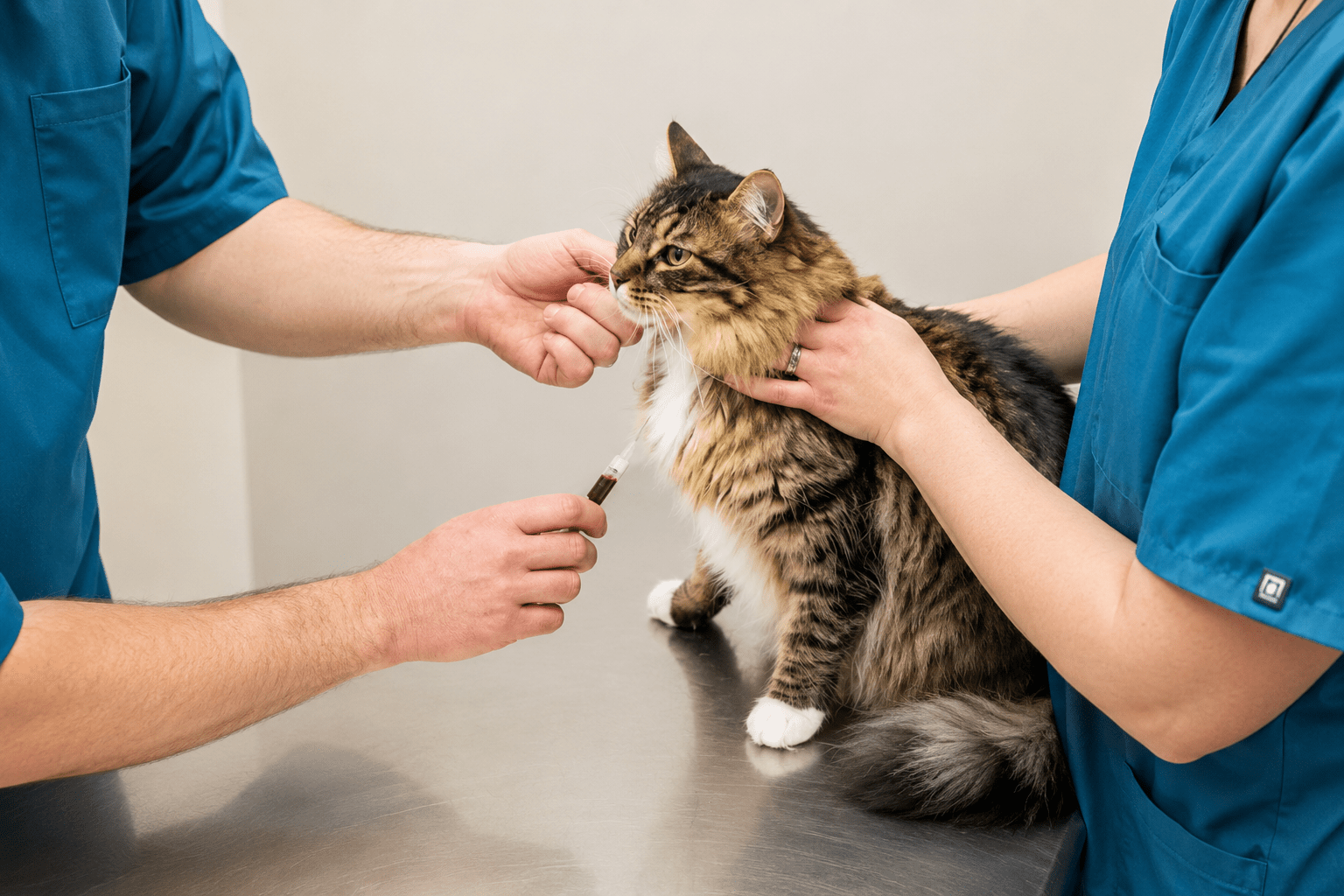
Blood testing is quick, safe, and usually done during a standard consultation. A small blood sample is taken, and most pets tolerate it without fuss. Many results are available the same day, with the full panel typically back within 24 to 48 hours. Some tests may require your pet to fast beforehand, and our team will let you know in advance if that applies.
We recommend starting annual blood screening from young adulthood (around 1 year of age) and increasing to every six months once your pet enters their senior years, generally from age 7 in dogs and cats, though this varies by breed and size.

In our clinics, we believe so passionately in preventative care and annual blood screening that we offer both adult blood tests and senior blood testing at significantly discounted rates to make it accessible to all.
Yearly blood tests are a vital window into your pet’s health — and one of the simplest things you can do to help them live a longer, healthier life. Get in touch with our team today to book your pet’s annual blood screening, or call us on (03) 5902 7087. We’d love to be part of your pet’s health journey.
Frequently Asked Questions
Is a blood test safe for my pet?
Yes. Drawing a small blood sample is a routine, low-risk procedure that most pets tolerate easily. Our team is experienced in keeping animals calm and comfortable throughout, and the sample itself takes only a minute or two to collect.
Does my pet need to fast before a blood test?
Sometimes, but not always. Certain tests, particularly those measuring blood glucose or lipids, give more accurate results when your pet hasn’t eaten for around 8 to 12 hours beforehand. Water is always fine. Our team will let you know in advance whether fasting is needed for your pet’s specific panel.
How much does an annual blood test cost?
The cost depends on which panel your pet needs, which we’ll tailor to their age, breed, and health history. At our Berwick and Clyde clinics, we offer annual blood screening at significantly discounted rates to make preventative care accessible. Contact us for current pricing.
At what age should my pet start having blood tests?
We recommend starting from young adulthood — around 1 year of age — to establish your pet’s individual baseline. From there, annual testing helps us spot any changes early. Once your pet enters their senior years (generally from age 7), we recommend increasing to every six months.
What happens if the results come back abnormal?
An abnormal result doesn’t necessarily mean something is seriously wrong — it simply means we’ve spotted something worth a closer look. Depending on the findings, your vet may recommend a follow-up test, a change in diet or lifestyle, or further diagnostics like imaging. Catching changes early almost always means simpler, more effective treatment.
How long does it take to get results?
Many in-clinic tests deliver results the same day, often within an hour. More comprehensive panels sent to an external laboratory typically come back within 24 to 48 hours. We’ll always contact you promptly to discuss the results and any next steps.