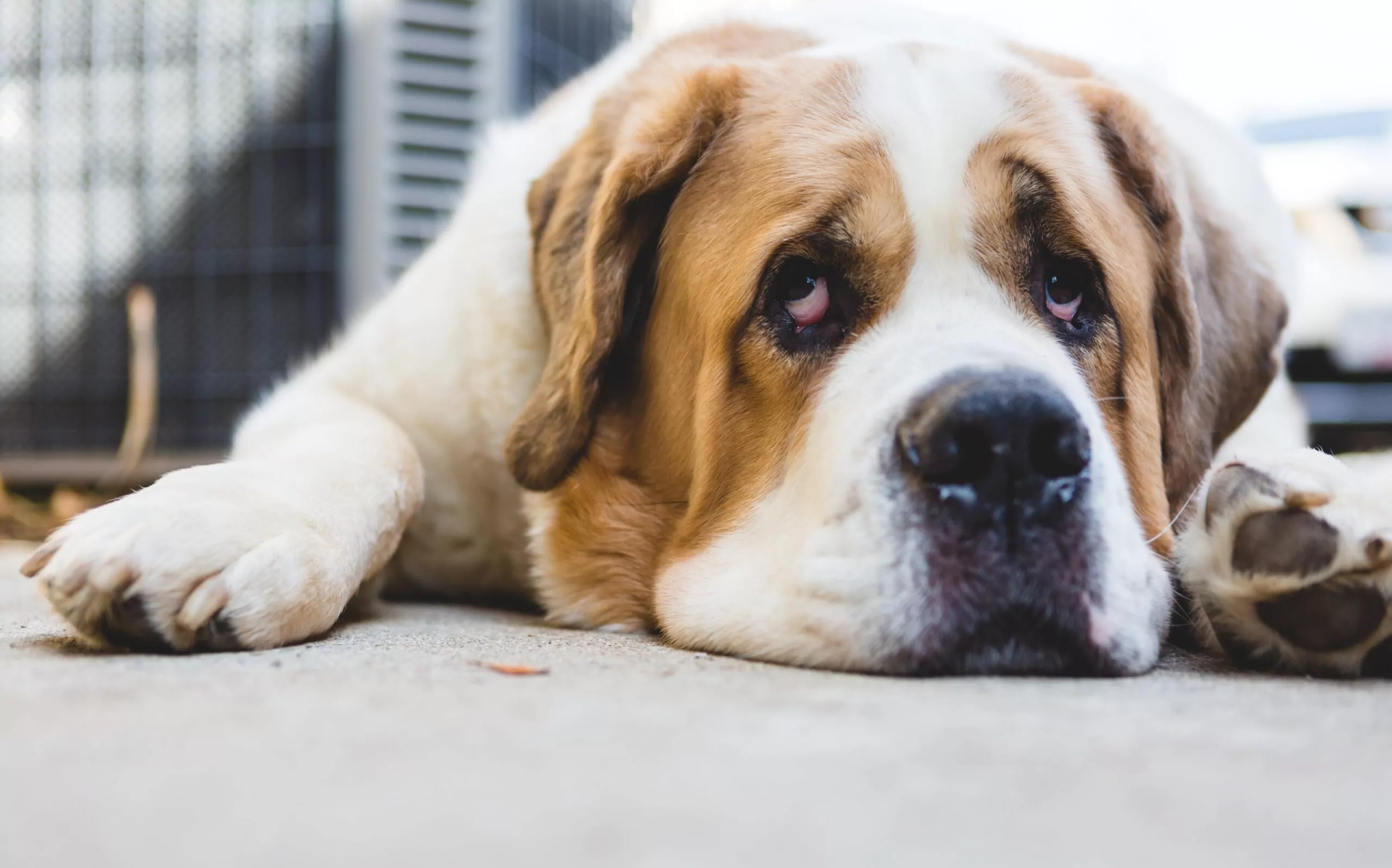
Why Is My Dog Having Diarrhoea?
Diarrhoea in dogs can be attributed to numerous factors. Identifying the root cause is essential for effective treatment. Here are some common reasons:
- Dietary Indiscretion: Dogs are known for their curious and sometimes indiscriminate eating habits. Consuming spoiled food, their own faeces, garbage, or non-food items can upset their digestive system.
- Dietary Changes: A sudden change in your dog’s diet, including switching to a new brand of food or introducing new treats, can cause diarrhoea as their digestive system adjusts.
- Food Allergies or Intolerances: Some dogs may develop allergies or intolerances to specific ingredients in their diet, leading to gastrointestinal distress. The most common dietary allergens for dogs include beef, dairy, chicken, and fish.
- Infections: Bacterial, viral, or parasitic infections can cause diarrhoea. Common culprits include parasites (such as Giardia or intestinal worms), Parvovirus, or bacteria (such as Salmonella or Campylobacter).
- Toxins: Ingesting harmful substances such as chemicals, poisonous plants, or certain human foods (like chocolate or grapes) can result in diarrhoea.
- Stress or Anxiety: Changes in the environment, routine, or the addition of new pets or family members can cause stress-related diarrhoea.
- Medical Conditions: Chronic conditions, such as inflammatory bowel disease (IBD), pancreatitis, or liver disease can lead to persistent diarrhoea.
When Should I Worry if My Dog Has Diarrhoea?
- Persistent Diarrhoea: Diarrhoea lasting more than 24-48 hours should be addressed by a vet. Severe Diarrhea: Frequent, watery stools or diarrhoea accompanied by vomiting can quickly lead to dehydration.
- Blood in Stool: The presence of bright red blood or black, tarry stools indicates potential internal bleeding or severe gastrointestinal issues.
- Lethargy: Unusual tiredness or lack of energy may signal a more serious problem.
- Inappetence: A reduced or absent appetite can indicate more severe underlying concerns and predispose to dehydration in dogs.
- Fever: An elevated body temperature can indicate infection or inflammation.
- Dehydration: Signs include dry gums, sunken eyes, and excessive panting.
What Can I Give My Dog to Stop Diarrhoea?
If your dog has mild diarrhoea and is otherwise healthy, you can try these at-home remedies:
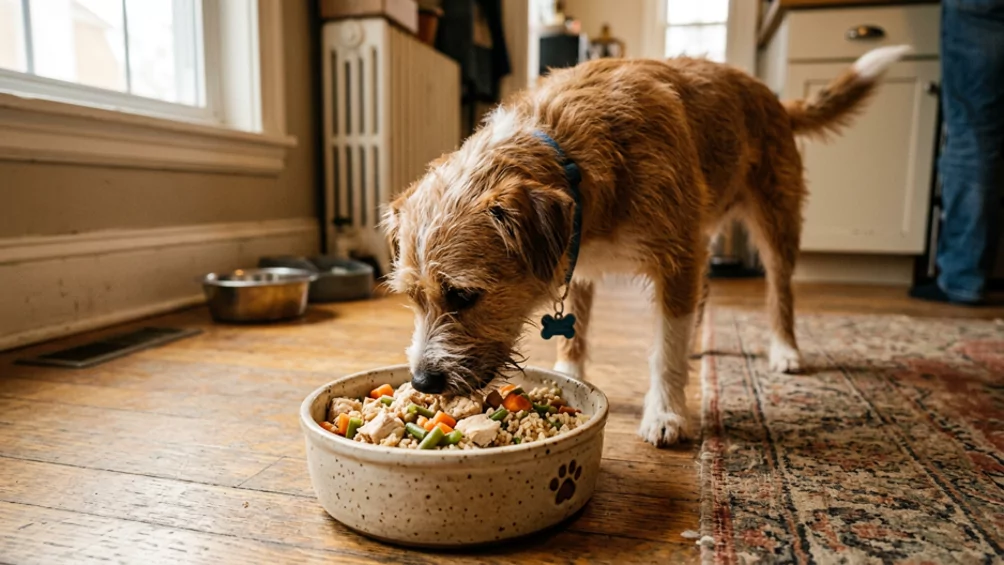
- Bland Diet: Introduce a bland diet consisting of boiled chicken (no skin, no bones) and steamed rice. Feed them small, frequent meals and, after two to three days of normal stools, gradually reintroduce their regular food over several days.
- Probiotics: Probiotics can help restore healthy gut bacteria. Choose a probiotic specifically formulated for dogs, which can be found at pet stores or through your veterinarian.
- Pumpkin: Plain cooked mashed, or puréed pumpkin is high in dietary fibre and can help firm up stools. A tablespoon mixed into food can be beneficial for small dogs, while larger dogs may need a few tablespoons.
What Can I Do for My Dog’s Diarrhoea?
- Hydration: As well as ensuring your dog drinks plenty of water, feeding wet foods is a great way to increase water intake while your dog has a tummy upset. Avoid giving them dairy products like milk, as it can worsen diarrhoea.
- Monitor: Keep an eye on their stool consistency, frequency, and any additional symptoms. Note any changes and report them to your vet.
- Environment: Maintain a calm environment to reduce any stress-related causes of diarrhoea. Ensure your dog has a comfortable, quiet space to rest.
How Long Should Diarrhoea Last for a Dog?
Mild cases of diarrhoea often resolve within a day or two with appropriate care. However, if diarrhoea persists beyond 48 hours, or if your dog shows other concerning symptoms (such as vomiting, lethargy, or dehydration), it’s crucial to consult your veterinarian.
Chronic diarrhoea lasting more than a few days can indicate a more serious underlying issue that requires professional diagnosis and treatment.
When Should I See a Vet?
- Persistent or Severe Diarrhoea: Lasting more than 48 hours or is very frequent and watery.
- Blood in Stool: Bright red blood or black, tarry stools suggest potential internal bleeding or severe gastrointestinal issues.
- Vomiting: Concurrent vomiting and diarrhoea can quickly lead to severe dehydration and require prompt intervention.
- Lethargy and Weakness: Unusual tiredness, lack of energy, or a significant decrease in activity level.
- Fever: An elevated body temperature indicates infection or inflammation.
- Pale Gums: Pale gums can be a sign of shock, significant blood loss, or other serious conditions.

Preventing Diarrhoea in Dogs
- Consistent Diet: Stick to a consistent, high-quality diet and avoid sudden changes. If you need to switch foods, do so gradually over a week to allow your dog’s system to adjust.
- Avoid Table Scraps: Human food, especially rich or fatty foods, can cause digestive upset. Stick to dog-specific treats.
- Supervise Outdoor Activities: Keep an eye on your dog during walks or playtime to prevent them from eating garbage, spoiled food, or toxic plants.
- Regular Vet Check-ups: Routine veterinary visits can help catch potential health issues before they become severe.
- Parasite Prevention: Regular deworming and flea/tick prevention can protect your dog from parasite-related diarrhoea. Avoid letting your dog have access to old or stagnant water.
Conclusion
Diarrhoea in dogs can be a distressing experience for both pets and their owners. Understanding the potential causes and knowing when to seek veterinary help are crucial steps in ensuring your dog remains fit and healthy.
While mild cases can often be managed at home with dietary adjustments and supportive care, persistent or severe symptoms require professional attention. Taking prompt and appropriate action for your dog’s digestive health can make a significant difference to their overall health and well-being.
And, always consult your vet if concerned. They’ll have your pup’s best interests at heart.