
From time to time, we see dogs in our vet clinic who come in presenting signs of dementia. It’s a sad, but realistic part of ageing. And not just in dogs. Sometimes our human customers have noticed the signs, and sometimes they haven’t, and a diagnosis from one of our vets, whether expected or not, can be a tough adjustment.
Our vets have laid out what you need to know about dementia in dogs, including:
- What it is
- Signs
- Why dogs get dementia
- Diagnosis
- Management and Treatment
Let’s start with the basics…
Dementia in dogs, clinically known as Canine Cognitive Dysfunction (CCD), is a neurological condition similar to human Alzheimer’s. It is age-related, therefore more likely to impact older dogs and, much like us, due to the ageing of brain cells. It can cause changes in your dog’s behaviour, memory and learning.
Clinical Signs of Dementia in Dogs
The signs are often subtle in the beginning and slowly get worse over time.
- Disorientation and appearing lost or confused
- Change in behaviour and less interaction with their owner
- Decrease in activity
- Whining, anxious and being unsettled
- Change in sleep pattern or disturbed sleep, including being restless during the night
- House trained, yet is having accidents inside
- Aimless wandering
- Staring at walls
- Hiding
Here’s an example of an elderly dog that’s confused and lost in its own home.
Why Do Dogs Get Dementia?
The exact cause of dementia is not known. Age wreaks havoc on us all, including dogs, so it’s an educated assumption that age-related changes to the brain are thought to cause the degeneration or death of brain cells called neurons. Neurons send signals throughout the body for normal body functioning, and if they’re not working properly, the brain cannot function correctly.
But age-related decline is not the only condition that can cause dementia. Genetic factors or other diseases like a brain tumour or head trauma can predispose a pup to develop dementia.

Diagnosis
A diagnosis of Dementia is made by a vet, like us. We assess your dog and discuss (and rule out) other potential causes of whatever has brought you into the vet that day. For example, you might have brought your dog to us because they presented with one of the above clinical symptoms – perhaps, they were hiding. Our vet assesses for neurological disorders, liver or kidney issues, pain due to joint disorders, etc, before jumping to a dementia diagnosis.
If we suspect dementia, we undertake a thorough behavioural and medical history to better understand the problem.
We perform a complete physical exam, including a neurological exam. A blood test, thyroid tests, ultrasound, and x-rays may also be used to rule out other possible causes for the change in your pet’s behaviour. In some scenarios, we may also recommend advanced imaging like CT/MRI.
Management and Treatment of Dementia
As with humans, there is no cure for dementia in dogs, but with early recognition, it can be managed.
Maintaining an active, healthy and stimulating environment for your pet helps in slowing down the progression of clinical signs.
This involves:
- routine exercise
- walks
- puzzle games
- interaction with you
- learning new tricks
- regular socialisation with you and/or other dogs
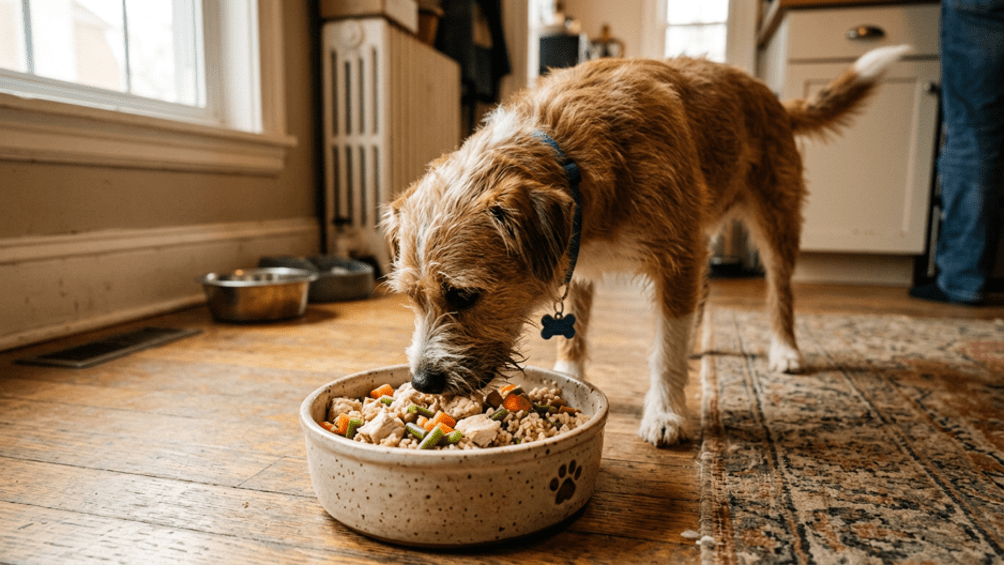
You can also consider using diets rich in antioxidants, which help to support a healthy brain.
Some examples of pre-made diets rich in antioxidants include:
- Hills brain diet (b/d)
- Purina Pro Plan Neurocare
- Royal Canin mature consult
We offer high-quality pet foods in our clinic. You can find out more here.
It is also good to add omega-3 fatty acid supplements to your dog’s diet to promote brain health.
Sometimes our vets may prescribe medications to help your pet and to improve their quality of life.
If you suspect your pet may be suffering from the early signs of dementia, get in touch with us today for a thorough consultation and compassionate advice from Australian-trained and experienced veterinarians.