Blood in the urine. Straining to urinate. Frequent trips outside. Discomfort.
These are symptoms many pet owners understandably associate with a urinary tract infection (UTI). And sometimes, that is the diagnosis.
But recently, we saw a case at Lynbrook Vet that was a powerful reminder of why diagnostic imaging, particularly X-rays, can be so important when investigating urinary issues.
Without imaging, this patient’s condition could easily have been mistaken for a routine infection. In reality, it was a life-threatening urinary obstruction caused by multiple bladder and urethral stones.
More Than “Just a UTI”
A client’s dog presented to us with:
- Blood in the urine
- Straining to urinate
- Significant abdominal pain
- Lethargy and reduced appetite
At first glance, these signs can look very similar to a bladder infection. But urinary symptoms are often only the surface of what is happening internally.
After performing blood testing, urine testing and abdominal X-rays, we discovered multiple stones filling the bladder, with smaller stones lodged in the urethra, causing a complete obstruction.
The bladder was severely distended and under dangerous pressure. During surgery, it was found to be close to rupturing.
Why X-Rays Are So Important
One of the most common questions vets hear is:
“Do we really need X-rays?”
We completely understand why people ask. Diagnostic testing can feel overwhelming, especially when symptoms seem straightforward.
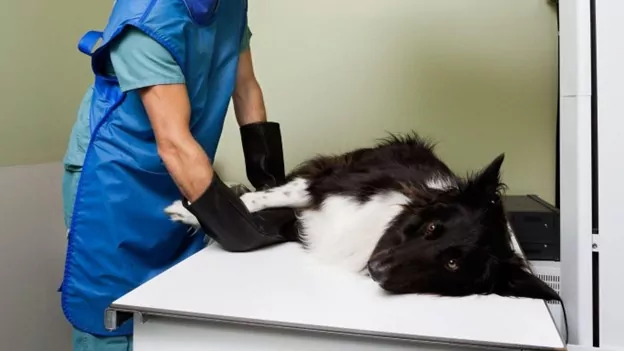
They revealed:
- Numerous bladder stones
- Stones lodged in the urethra
- Severe bladder distension
- A life-threatening obstruction
In this case, the X-rays changed everything. Without them, treatment may have focused only on antibiotics and symptom management, while the obstruction worsened internally.
Unfortunately, urinary obstructions cannot be fixed with antibiotics alone.
The Hidden Danger of Urinary Obstructions
When urine cannot pass normally, pressure builds inside the bladder and affects the kidneys very quickly.
In this patient’s case, bloodwork already showed evidence of dehydration and kidney compromise caused by the obstruction.
A blocked urinary tract is an emergency.
Without intervention, complications can include:
- Bladder rupture
- Kidney failure
- Severe pain
- Electrolyte disturbances
- Death
The challenge is that from the outside, many of these patients just look like they’re having trouble peeing.
That is why proper diagnostics matter so much.

A Team Effort and the Value of Specialist Connections
One thing we are incredibly proud of at Lynbrook Vet is the level of care we can provide through both our in-house capabilities and our close relationships with specialist teams.
This case involved:
- In-house blood testing
- Urinalysis
- Diagnostic imaging
- Emergency surgery
- Ongoing monitoring
- Specialist consultation and referral
After the initial surgery to remove bladder stones, some stones remained lodged within the urethra in a location that could not safely be resolved during the procedure.
Because of our connections with specialist surgeons and referral hospitals, we were able to rapidly consult with specialists and coordinate urgent follow-up surgery for this patient the very next morning.
That collaboration is incredibly important in complex cases like these.
Having access to advanced expertise while still being able to continue follow-up care locally with the team that already knows your pet helps create smoother, safer continuity of care.
The Patient’s Outcome
We’re pleased to share that this patient made a full recovery and is now back home with their family. Cases like this are a reminder of how quickly a serious urinary obstruction can develop, and how important early diagnostics and timely intervention are in turning the outcome around.
Not All Bladder Stones are the Same
Interestingly, bladder stones can vary significantly in:
- Composition
- Cause
- Appearance
- Treatment approach
- Prevention strategies
Some form due to chronic urinary infections, while others are linked to urine pH, diet, genetics, metabolism, or crystal formation.
That is why stone analysis, urine testing and ongoing management are so important after surgery.
If you would like to read another fascinating case involving a very different type of stone discovery, we previously shared a story about how we unexpectedly identified crystals and a bladder stone during a routine dental procedure:
How We Diagnosed Crystals and a Bladder Stone During a Dog’s Dental Procedure
Together, these two cases show just how varied urinary disease can be, and why diagnostics are never “just extra tests.”
The Takeaway
- Urinary symptoms should never be ignored, especially straining to urinate, blood in the urine, small or absent urine production, sudden lethargy, or signs of pain.
Sometimes it truly is a simple infection.
But sometimes, as this case showed, there is something much more serious happening beneath the surface.
Diagnostic imaging gives us the ability to look inside the body rather than guess, and in many cases, that can make all the difference.
If your pet is showing any urinary symptoms: straining, blood in the urine, lethargy, or reduced appetite, please don’t wait. These signs can look minor on the surface, but sometimes point to something much more serious underneath.
Get in touch with our team at Lynbrook Vet to book your pet in, or call us on (03) 8373 0301. Early diagnostics can make all the difference.
FAQs
Q: How can I tell if my pet has a UTI or something more serious, like bladder stones?
A: Unfortunately, you often can’t tell from symptoms alone. Bladder stones, urinary obstructions, and urinary tract infections can all present with very similar signs: straining, blood in the urine, frequent attempts to urinate, and discomfort. This is why diagnostic imaging is so important. An X-ray can quickly distinguish between a simple infection and a more serious condition that requires urgent intervention.
Q: Is straining to urinate an emergency?
A: It can be — especially if your pet is producing little or no urine, appears in pain, or is lethargic. A complete urinary obstruction is a true medical emergency and can become life-threatening within hours. If your pet is straining without producing urine, please contact your vet straight away.
Q: What causes bladder stones in pets?
A: There isn’t one single cause. Bladder stones can form due to chronic urinary infections, urine pH imbalance, diet, genetics, metabolic conditions, or crystal formation in the urine. Different stone types have different causes, which is why we send stones for analysis after surgery; it helps us build a tailored prevention plan for your pet.
Q: Can bladder stones be prevented?
A: In many cases, yes, but prevention depends on the type of stone. Once we know what a stone is made of, we can recommend specific dietary changes, prescription diets, increased water intake, or ongoing urine monitoring to reduce the risk of new stones forming. Some pets are simply more prone to stones and will need lifelong management.
Q: How long does recovery from bladder stone surgery take?
A: Most pets recover well within 10–14 days following bladder stone surgery, though they’ll need restricted activity, pain relief, and follow-up checks during that time. We’ll provide detailed aftercare instructions and stay in touch throughout recovery to make sure healing is going to plan.
Q: Where can I get my pet treated for urinary issues or bladder stones in Melbourne?
A: If your pet is showing signs of a urinary problem: straining, blood in the urine, lethargy, or reduced appetite, the team at Lynbrook Vet is here to help. We offer in-house diagnostic imaging, blood testing, and urinalysis, along with surgical care and close working relationships with specialist referral hospitals when more advanced treatment is needed. We provide veterinary care to Lynbrook, Cranbourne, Clyde, Narre Warren, Hampton Park, and surrounding Melbourne suburbs.