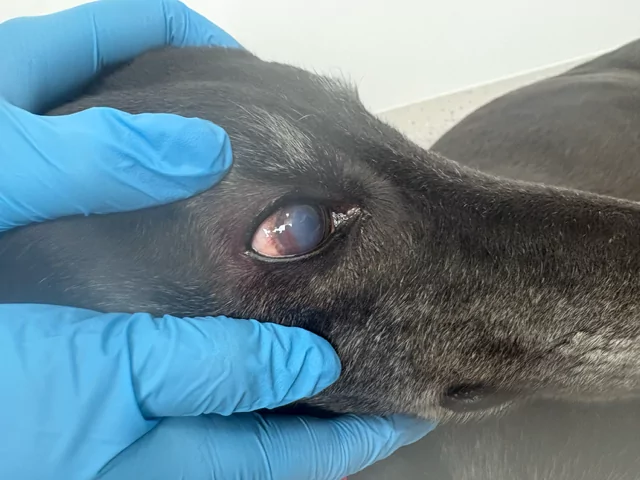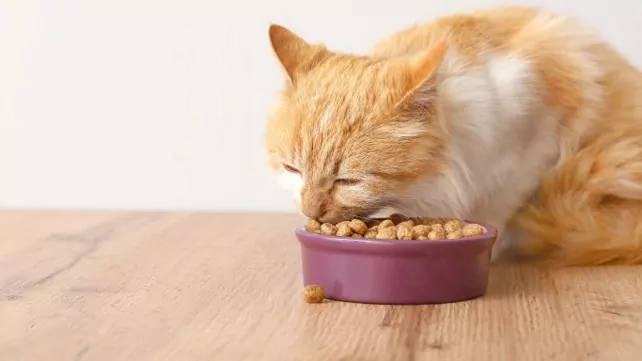
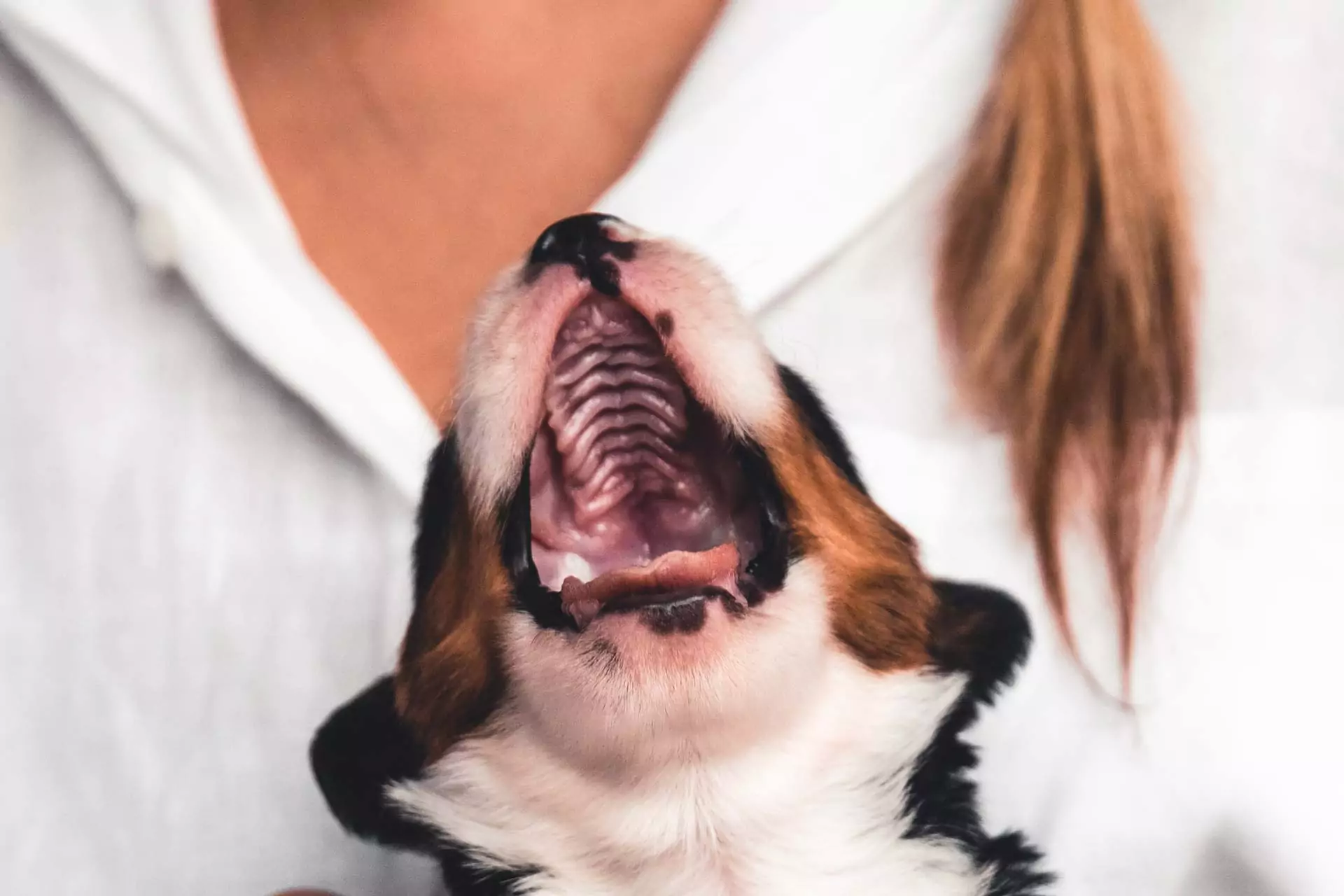
Chewing is a natural behaviour for puppies and kittens. But it can be frustrating, stressful, and costly when they target your favourite shoes, expensive furniture, or even electrical cords. Much like human babies, puppies and kittens chew for a reason: it helps them explore their world, relieve teething pain, and burn off their excess energy.
Why do puppies and kittens chew?
- Teething Relief (3-6 months) – Their baby teeth fall out and adult teeth emerge, which can cause gum irritation. Chewing can soothe discomfort just like human babies do with their teething toys.
- Boredom and excess energy – If they are left alone too long, and if they don’t have much play time, they will start to entertain themselves with your shoes, couch, or a phone charger!
- Curiosity and exploration – Young pets use their mouths to explore new, fascinating objects, textures and tastes, just like toddlers.
- Anxiety or stress – Some pets chew to calm themselves when they are nervous or anxious, such as when they have separation anxiety or are alone in a new environment.
How to stop destructive chewing
1. Provide them with appropriate chew toys
Vet-Recommended Chew Toys For Puppies
We recommend rubber or nylon chew toys – Like Kong toys (stuffed with peanut butter), frozen treats like carrots.
Here are some links for recommending chewing toys to engage your puppy;
Always choose the right size toy for your dog as recommended on the label, to avoid accidental ingestion.
Vet-Recommended Chew Toys For Kittens
Soft, crinkly toys (they love textures that mimic prey), interactive toys (feather wands, balls with bells). Avoid toys with long strings as ingestion of them can obstruct their guts.
Rotate toys weekly to keep them interesting.
2. Puppy/kitten-proof your home
- Keep tempting items out of reach (like shoes, cords, children’s toys).
- Use bitter sprays on furniture legs or wherever necessary.
- Block off no-go zones with baby gates or closed doors.

3. Use positive reinforcement
Reward them with treats and praise them when they chew the right items.
If you catch them chewing something wrong, do not get angry or punish them, as it can increase anxiety or worsen the behaviour. Simply, replace it with an approved toy.
4. Increase mental and physical stimulation
Examples for dogs include: Daily walks, puzzle toys, and training sessions.
Examples for kittens include: interactive play with a wand, climbing towers, and laser pointers. A tired pet is less likely to chew destructively.
5. Teach “leave it/drop it” commands
More applicable to dogs, these are essential commands to prevent destructive habits and reward their compliance.
If you have tried everything we’ve recommended and nothing works, reach out to us. It can be due to anxiety, boredom or a medical issue. Our vets might also send you to see our trainer, Katie from Mayleigh Manners, for additional help in behaviour training if required.
Contact our team or book an appointment here.