
What is a gastropexy procedure?
Gastropexy is a life-saving, preventive procedure performed to prevent a serious condition called GDV (gastric dilatation and volvulus) — otherwise commonly known as “bloat.”
Why has this been recommended for my pet?
Your veterinarian may have provided you with this information sheet because your dog may be of a breed at higher risk for this condition. Please see below for more information.
Why is it performed?
GDV is an emergency condition that involves the stomach bloating and twisting around itself, leading to a sudden blockage of blood flow back to the heart and other vital organs.
If not treated promptly, GDV can be fatal, with mortality rates of around 10–45%.
What does a GDV look like?
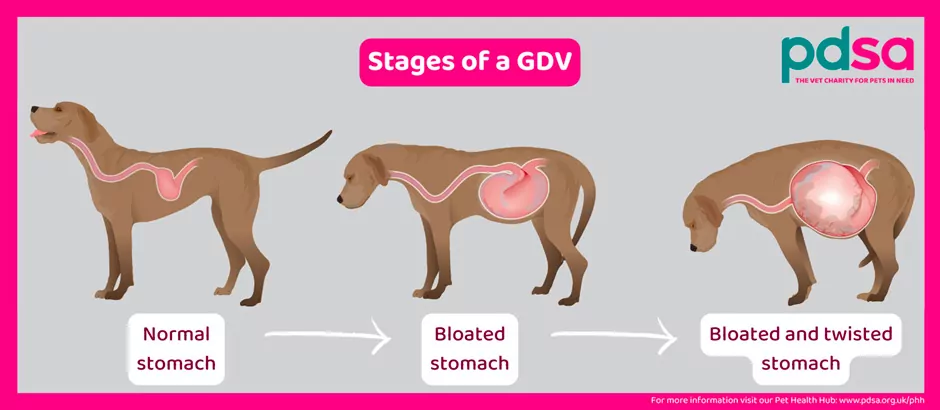
Figure 1: This condition often occurs suddenly and causes severe discomfort, pain, and respiratory distress in affected dogs. Source: pdsa.org.uk
What dog breeds are at risk of GDV?
Any dog, of any breed, can develop GDV. However, large or giant deep-chested breeds are at higher risk — such as Great Danes, Gordon Setters, Irish Setters, Weimaraners, Saint Bernards, Standard Poodles, Basset Hounds, Labradors, and Golden Retrievers.
Large and giant breeds have a lifetime incidence of around 6–24%, while Great Danes have the highest incidence — approximately 39–42%.
What does the gastropexy procedure involve?
A veterinarian makes a small incision on the muscular surface of the stomach and a corresponding incision on the inside of the abdominal wall where the stomach will attach. These are then sutured together so the stomach heals in this new position, preventing it from twisting on its axis.
Recovery is usually quick — similar to a standard desexing procedure — with healing taking about 10–14 days.
After a gastropexy procedure, the incidence of GDV is much lower at around 5-8% of dogs who have received the surgery.

Reference: Fossum T, ed. Small Animal Surgery, 3rd ed. St Louis: Mosby/Elsevier, 2002.
What can I do to help prevent bloat at home?
Preventing bloat reduces the likelihood that gastropexy will ever be needed.
Feeding recommendations to help lower the chance of GDV include:
- Avoid vigorous exercise for at least 30–60 minutes after a meal.
- Feed smaller meals two or more times a day rather than one large meal.
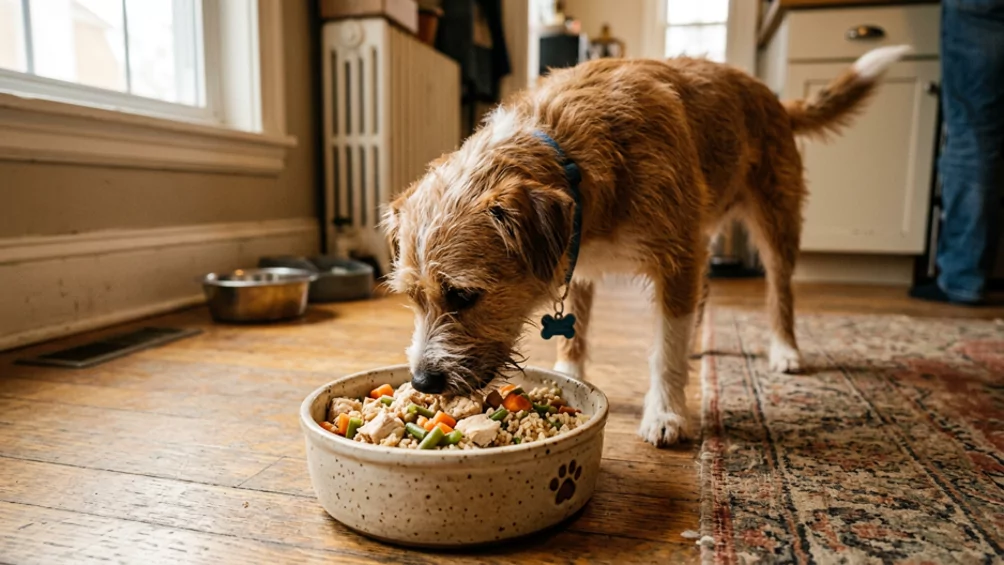
- If your pet tends to eat quickly, use a slow-feeder bowl or mat, or scatter their food to encourage slower eating.
Research suggests that exercise soon after a large meal increases the risk of GDV.
Our vets at Lynbrook Vet Clinic are well-equipped with the skills and knowledge to perform this procedure and provide tailored advice for your pet. If you have any questions or would like to discuss whether gastropexy is right for your dog, please reach out to our friendly team.