What is a working dog breed?
When we think of working dog breeds, it’s common to picture a farmer with a dog that assists with managing livestock. Or, a dog that tags along with the police, sniffing out illegal items and keeping areas like airports safe.
However, did you know that there are more than half a dozen different types of working dog breeds and that some of the most common are now in the top 10 most popular breeds in Australia!?
Most Common Working Dog Breeds
Working dogs are highly specialised breeds chosen for their physical abilities, intelligence, and temperament, making them indispensable in tasks ranging from guarding and herding to search and rescue.
These dogs possess traits such as trainability, endurance, and loyalty, which allow them to excel in demanding roles.
Not all dog breeds are suited for working tasks; many lack the physical strength, focus, or energy levels required for these responsibilities.
The following list highlights the top 10 most common working dog breeds, showcasing their unique qualities and the vital roles they play in human lives.
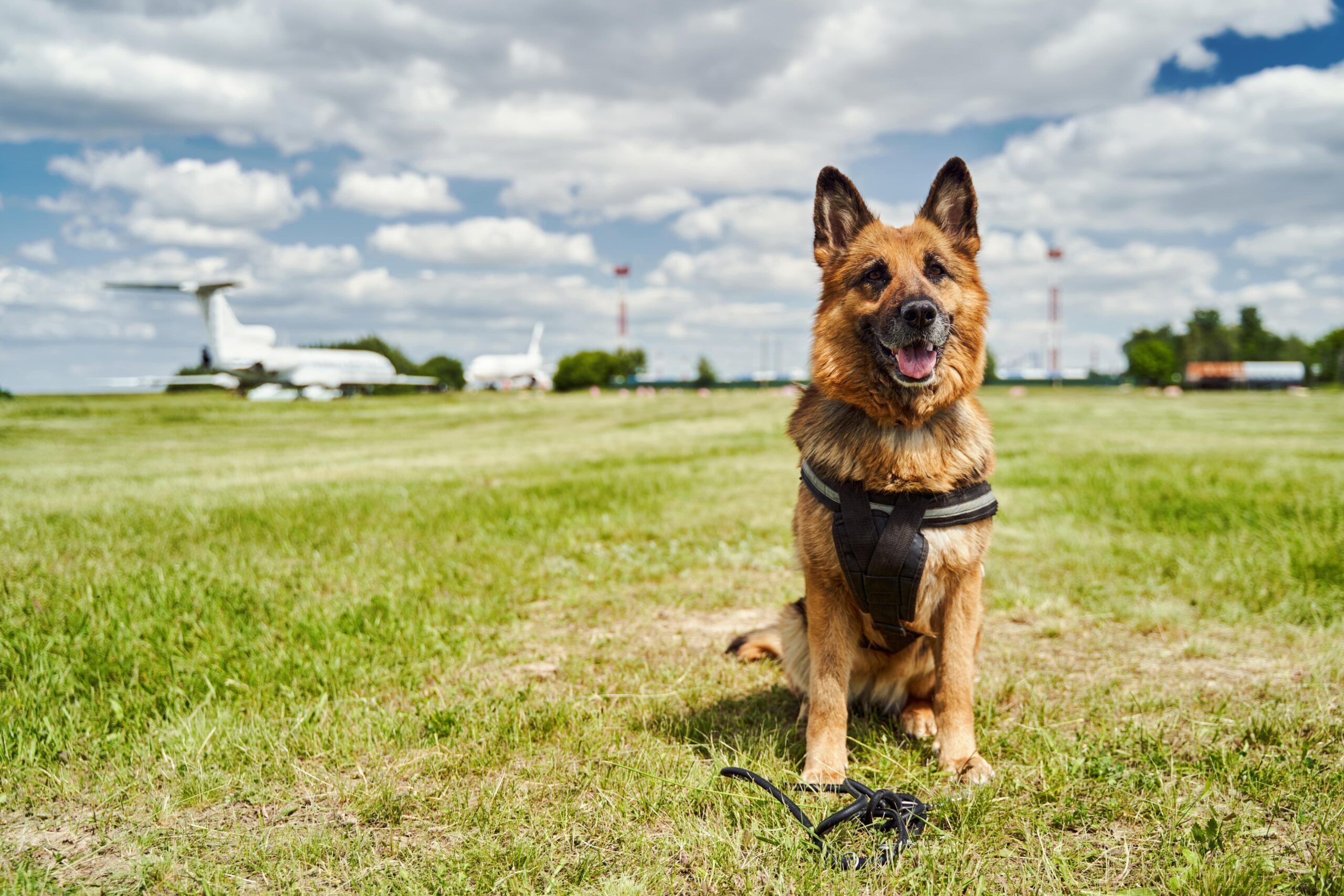
German Shepherd
- Popular for police and military work.
- Known for intelligence, loyalty, and versatility.
Labrador Retriever
- Frequently used as guide dogs and in search-and-rescue operations.
- Friendly, trainable, and hardworking.
Golden Retriever
- Often employed as therapy and service dogs.
- Renowned for their gentle temperament and intelligence.
Border Collie
- Primarily used in herding, but excel in search and rescue.
- Exceptionally intelligent and energetic.
Belgian Malinois
- Commonly used in police and military roles.
- Highly trainable, agile, and focused.
Rottweiler
- Known for guarding and protection work.
- Confident, loyal, and powerful.
Siberian Husky
- Historically used as sled dogs.
- Energetic, resilient, and friendly.
Australian Shepherd
- Popular herding dog.
- Intelligent, energetic, and versatile.
Doberman Pinscher
- Often used in security and protection.
- Loyal, fearless, and highly trainable.
Boxer
- Employed in search-and-rescue and as service dogs.
- Energetic, alert, and affectionate.
When we choose to introduce a dog breed into a working role, it can be a challenge. We need to utilise their working drive in a way that is positive and stimulating for them, otherwise, it can lead to difficult or unwanted behaviours due to boredom, confusion or frustration. These behaviours can even manifest into anxieties or fear.

Our Top 5 Tips for Finding the Right Working Dog Breed for You
- Be prepared to research the breed prior to bringing them home to better understand the traits that they may have and what to expect on your training journey
- Start young, enrol in a local puppy school and continue their training throughout their life to help keep them engaged and aware.
- Utilise their working drive in positive ways, such as
- Treat treasure hunts for breeds that let their nose lead the way … always. Any doggo that falls into detection, search and rescue or hunting.
- Agility training, Fly ball training OR both for breeds with high energy, intelligence and herd drive, such as breeds found in herding, police dogs or military dogs.
- Search and retrieve, this can be hiding their favourite toy and teaching them to “find it” utilising scent of the toy in other areas of the home or property before finding its final hiding space. This can be great for any breeds used in search and rescue, hunting or detection.
- Understand their quirks; for example doggos that are known for their involvement in hunting, detection, search and rescue may like to hold things in their mouth. Teaching them to hold or release is a great way of leaning into this drive safely to avoid unwanted interaction with potential hazards that may result in a vet visit.
- Socialisation: allow your dog to experience their surroundings both at home, outside of the home and in lots of varying situations. Controlled exposure to varying stimuli paired with ongoing training can help acclimate your working breed to the life of luxury in your home as part of the family.
Living with a working dog breed can be an incredibly rewarding experience. By understanding their unique drives and needs, you can provide an environment where they thrive, both mentally and physically. Through training, engagement, and plenty of love, your working dog can become a well-adjusted and happy companion, ready to take on any challenge that comes their way.
Remember, a tired working dog is a happy working dog! By incorporating these tips into your daily routine, you’ll not only strengthen your bond with your furry friend but also unlock their full potential, allowing them to live a fulfilling life alongside you.
If you or your working dog need veterinary support, please get in touch with our helpful team.